FEES · CARDS · CASH · 28 GUIDES · 6 NEW THIS SEASON
Money Abroad. Don't lose it to fees.
The first international trip is where most travelers quietly hand 6–10% of their budget to ATM operators, hotel exchange desks, and the screen on the card terminal that asks if they'd like to pay in dollars. It's a tax on not knowing the system. The system is small. Twelve money topics, eight situations you'll meet on the road, and the brief on what your bank won't tell you.
- 28 guides on file
- 6 new this season
- Typical fee leak: 6–10% of trip spend
- With proper setup: ≈ 0%
- Most-read age 26–42
- Updated May 2026
Twelve money topics, one trip.
What every first-time international traveler should set up, look up, or carry. Each card opens a hand-built guide. Verified URLs, no placeholders, no dead ends.
-
No. 01 · Handle money abroad without losing it to fees
The primer. Two cards before you fly, no foreign-transaction fees on either, decline dynamic currency conversion every single time. Card fees can quietly eat 3–10% of a trip; with the right setup, it's zero. Card setup, pre-trip, fees.
-
No. 02 · Manage money & avoid ATM fees abroad
The on-the-road sequel to the primer. Which ATMs to use, which to refuse, how often to withdraw, where to keep the cash once you do. The honest math on bank-partner networks. ATMs, bank partners, on the road.
-
No. 03 · Use ATMs abroad without paying fees
The Schwab/Fidelity playbook in detail: which US banks reimburse worldwide, why standalone machines (Euronet, Travelex) charge double, and the one screen you must say no to. Schwab, Fidelity, reimbursement.
-
No. 04 · Exchange currency without losing money
Why airport counters take 10–15% off the top, why hotel desks are worse, and the small rule that beats both: read the buy/sell spread, not the headline rate. One screenshot to take before you fly. Spreads, airports, hotels.
-
No. 05 · Reduce currency exchange losses
The compounded math of a six-trip year: 3% per swipe is real money. The two-card stack, the Wise multi-currency account, the one app that shows mid-market in real time. Boring, durable, free. Math, Wise, mid-market.
-
No. 06 · Find the best exchange rates abroad
Where the real rate lives (XE, Google, your bank's app — in that order), and why the storefront board is theatre. A 30-second check before any cash transaction. XE, apps, spread check.
-
No. 07 · Find the best travel credit card
Apply 60 days before the trip, not two weeks. The four lines on a card's terms page that decide whether it's a travel card or a costume — foreign transaction fee, chip-and-PIN, lounge access, primary CDW. No FTF, chip+PIN, pre-trip.
-
No. 08 · Use credit-card points for free flights
The 80,000-point sign-up bonus you should not chase if you carry a balance, and should chase if you don't. Transfer partners that beat the in-portal price by 2–3×. One yearly award redemption that pays the card. Sign-up bonus, transfers, awards.
-
No. 09 · Use local banking & exchange services abroad
When the trip is long enough to justify a local debit card, a multi-currency account, or a casa de cambio with an actual relationship. The threshold is around two weeks; under that, don't bother. Long stay, casas, relationships.
-
No. 10 · Get cash & a SIM when you land
The 12 minutes between baggage claim and the taxi rank. The bank ATM on the right, not the exchange counter on the left. Local SIM at the airport convenience store, not the carrier kiosk. Airport, first hour, SIM.
-
No. 11 · Use cashback apps while traveling internationally
Rakuten and Capital One Shopping work on hotel bookings abroad more often than you think. A 4–8% rebate on a four-night stay is a free dinner. The two apps worth installing; the rest are noise. Rakuten, hotels, stacking.
-
No. 12 · Save money on food while traveling abroad
The two-meals-out-one-meal-in rule that holds in any city. The supermarket in the residential neighborhood beats the deli in the tourist quadrant by 60%. Cards over cash for receipts at the end of the trip. Markets, receipts, daily spend.
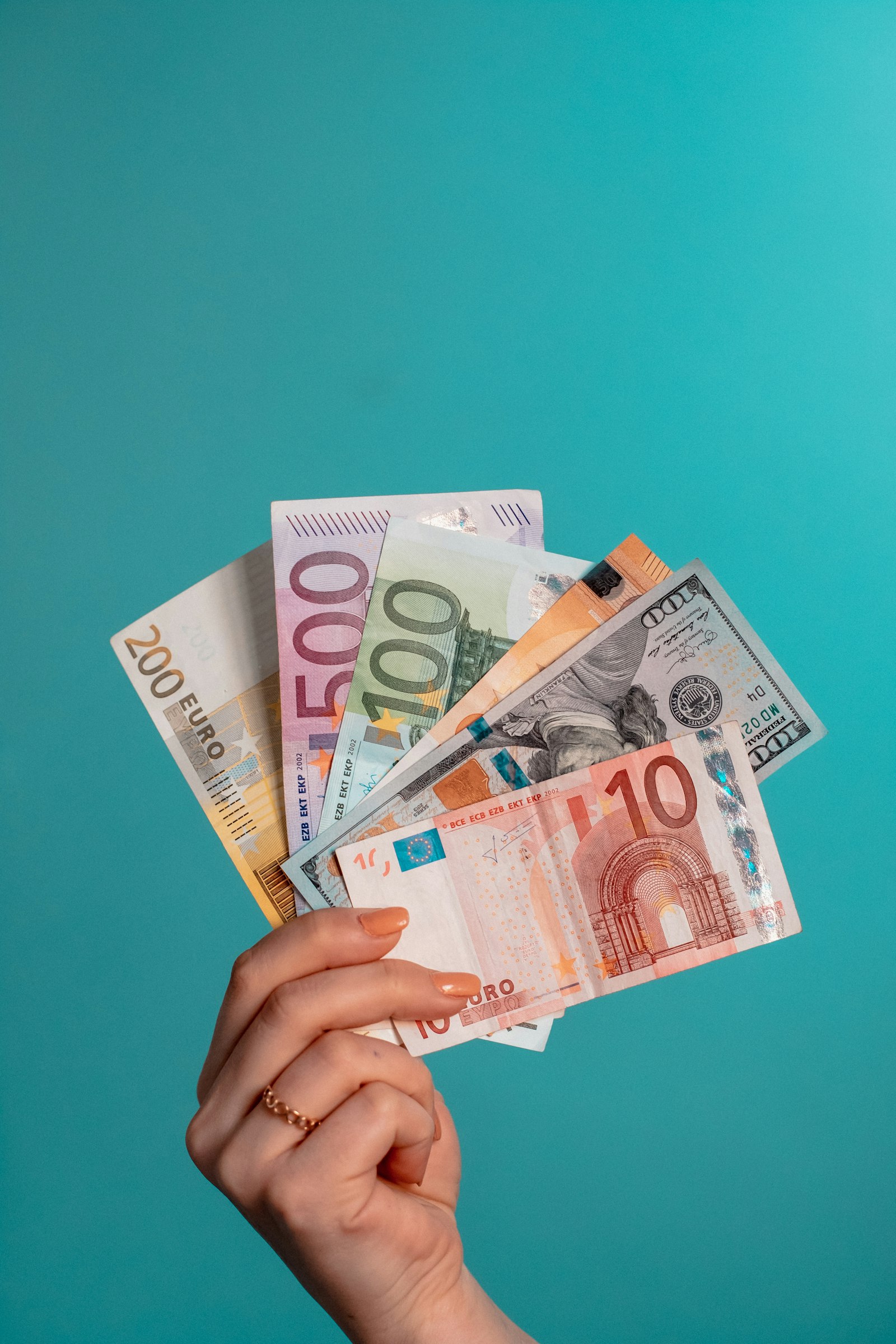
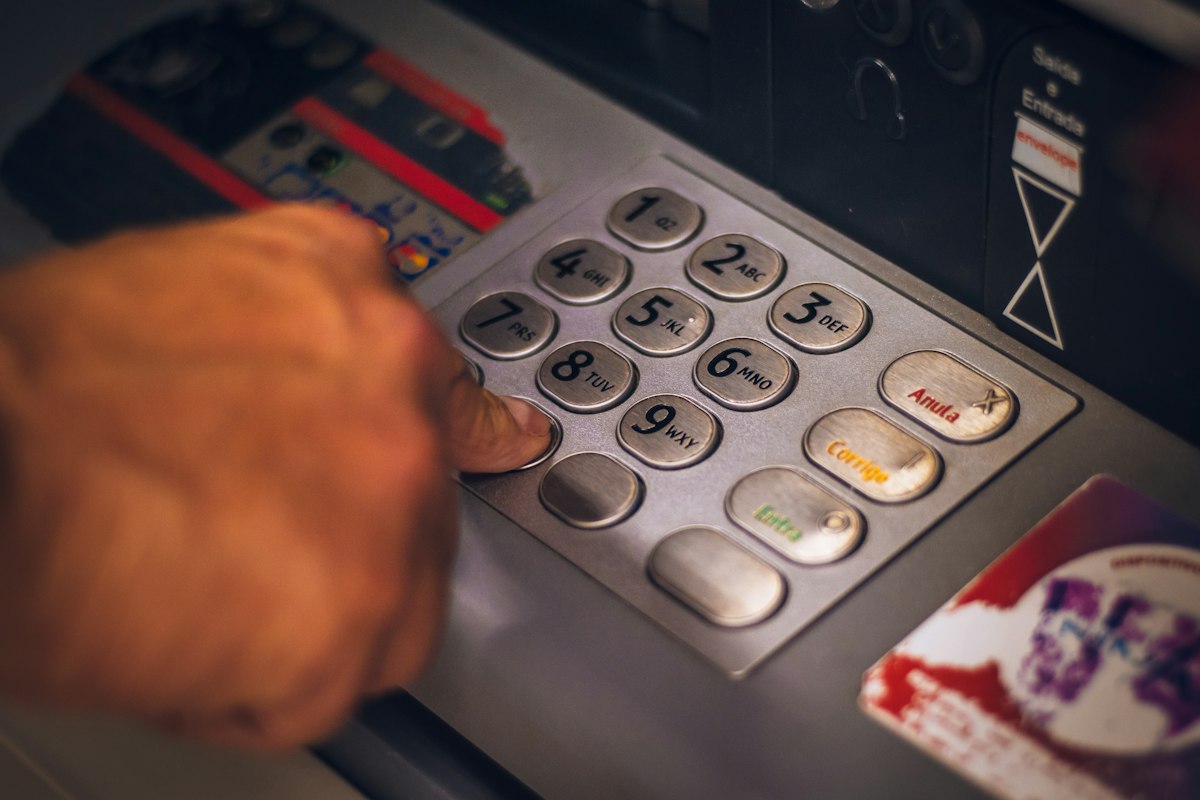
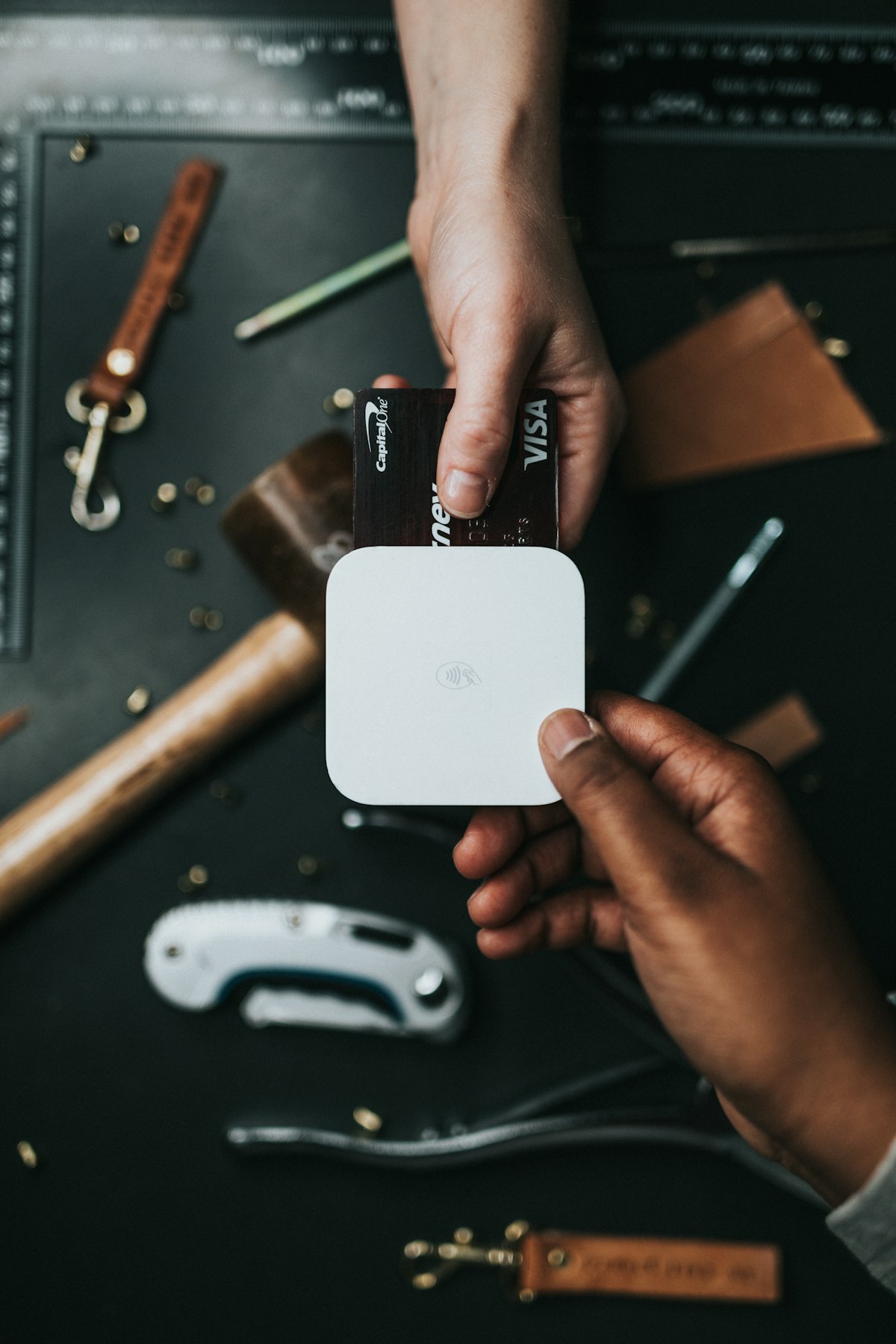

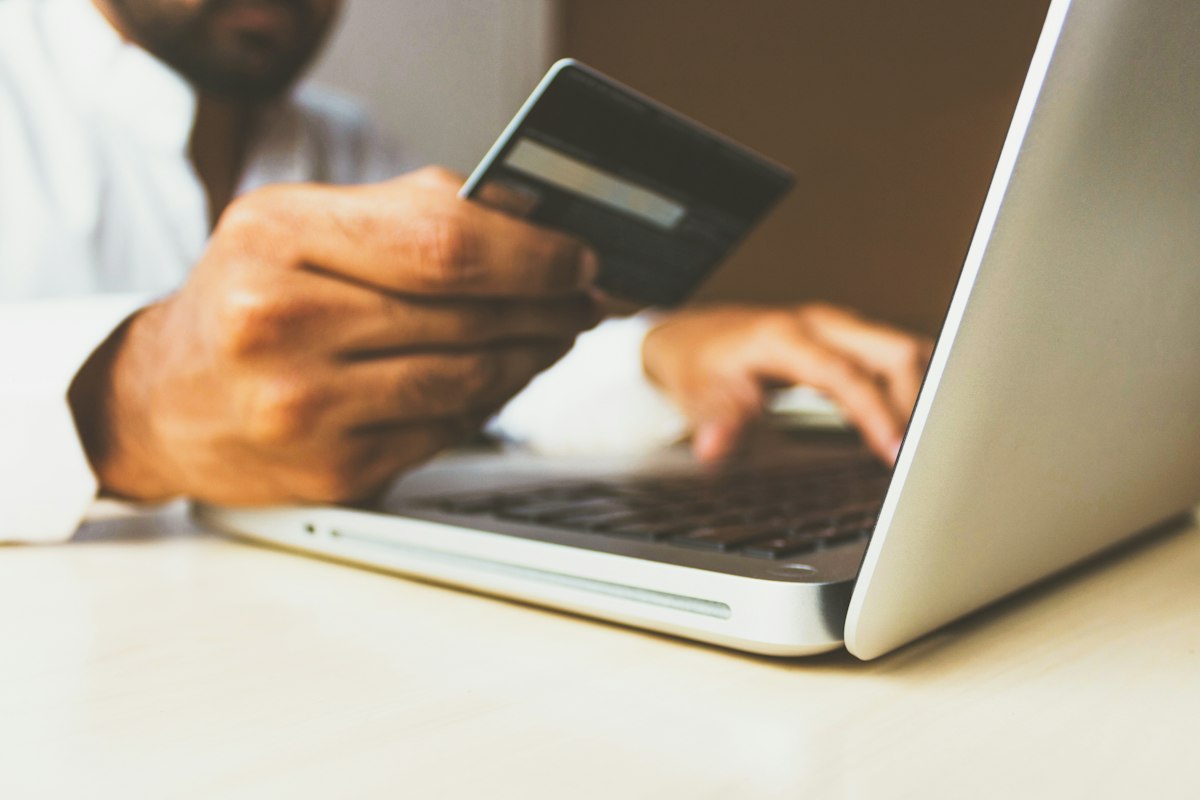



Field notes. The friend who lived abroad tells you the honest math.
"The travel money industry is not designed to rob you. It is designed to charge you a small, polite fee at every step, in a currency you don't quite understand, in a setting where you are tired and a little hungry. The fees compound. A 1% Visa surcharge on top of a 3% dynamic-currency-conversion fee on top of a 7% airport-counter spread is most of a flight. The system isn't crooked — it's bored, and it's expensive. The only edge is to set up the right cards before you fly, say no to one specific screen at every terminal, and use bank ATMs only. That's the whole game."
Most first-trip money problems are not exotic. They are the same three or four leaks, repeating: the airport currency counter on landing, the dynamic-currency-conversion screen at every restaurant, the standalone ATM in the pretty square, the home-currency option at the hotel checkout. Each one is a 3–10% tax on not knowing. Stack them and a two-week trip can lose a flight's worth of fees before the trip starts paying for the things you actually came to see.
What you protect, in those first two weeks of international travel, is the discipline that keeps the system small. Two cards, set up before you fly. One backup cash stash in a separate pocket. Bank ATMs, never standalone. Local currency at every terminal, no exceptions. Done in that order, the trip stops bleeding. The plan isn't the trip; the plan is what makes room for the trip.
— Iris Mendoza, Money desk · House essay Nº 04
Eight situations you'll meet.
The actual moments where money on a first international trip goes sideways — at the market, at the ATM, at the airport snack bar, at the pretty restaurant whose card terminal asks if you'd like to be charged in dollars. Each is one short, opinionated read.
- MA-101 · Tipping, country by country. Free reference, by Iris. Tags: service, custom, cash. Where 10% is generous, where it's offensive, where it's already in the bill, and where rounding up is the whole etiquette.
- MA-088 · Haggling in a Southeast Asian market. Skill, by Marcus. Tags: markets, bargaining, honest. Open at one-third, walk to one-half. The two phrases that work in any language.
- MA-112 · ATMs in Japan, as a foreigner. Reference, by Marcus. Tags: Japan, 7-Eleven, cash society. Why your card works at 7-Eleven and dies at the bank next door.
- MA-097 · Tourist scams, and how to read them. Defense, by Nia. Tags: scams, cards, cash. The friendship bracelet, the broken meter, the helpful local at the ATM.
- MA-104 · Airport food without the markup. Save $40 per leg, by Juan. Tags: airports, markup, habit. The empty water bottle, the lounge day pass, the convenience store one terminal over.
- MA-119 · Tours and excursions without the markup. Save 20–40%, by Iris. Tags: tours, booking, local. The hotel concierge gets a kickback. The street vendor needs the sale today. The honest middle.
- MA-091 · Card insurance, what your card already covers. Free, by Iris. Tags: insurance, cards, coverage. Most premium cards include trip cancellation, lost luggage, primary CDW, and a doctor-on-call line.
- MA-105 · Hidden fees when booking online. Save 4–9%, by Nia. Tags: fees, booking, receipts. Resort fees, cleaning fees, service fees, dynamic-currency fees. The four lines to expand on every booking page.
The money matrix.
Six rows by where the money actually moves. Pre-trip is the highest-leverage row. Defense is the smallest dollar value but the biggest peace-of-mind one. Pick the row that matches what you're worried about today.
- Pre-trip · card setup · 2–3 weeks out. 8 guides. No-FTF cards, bank partners, chip-and-PIN. From $0/yr.
- On the ground · ATMs · daily. 6 guides. Schwab, Fidelity, 7-Eleven Japan. From $0/withdrawal.
- On the ground · cards · daily. 9 guides. Decline DCC, chip-and-PIN, tap defaults. 0–1% FX.
- Cash · markets · weekly. 5 guides. Southeast Asia, Morocco, Mexico mercados. 30–50% off list price.
- Long stay · local banking · 14+ days. 4 guides. Wise, Revolut, local debit. Mid-market FX.
- Defense · scams & losses · always on. 6 guides. Lost card, skimmer, DCC, touts. Insurance plus a spare card.
Eight reads, by depth.
The pieces sitting one click below this page. The first is the seed primer; the rest are how-tos that earn the click. Read in order, or skip to the situation you're already worried about.
- Primer · How to handle money abroad, without losing it to fees. By Iris, 11 min read.
- On the road · Manage money & avoid ATM fees abroad. By Iris, 9 min read.
- ATMs · Use ATMs abroad without paying fees. By Marcus, 8 min read.
- Exchange · Exchange currency without losing money. By Nia, 9 min read.
- Insurance · Save money on travel insurance, without losing the cover. By Juan, 7 min read.
- Booking · Book travel with flexible dates, to save money. By Iris, 8 min read.
- Japan · Use ATMs in Japan, as a foreigner. By Marcus, 6 min read.
- Souvenirs · Save money on souvenirs, without buying junk. By Nia, 7 min read.
The Money desk. Three editors on the math.
The Money desk is the desk that doesn't want to be sentimental. Spreads, fees, partner networks, lost-card protocols. These are the people writing it.
- Iris Mendoza · Senior Editor, Money & Numbers · 64 field trips. "Money on a first trip is a system, not a mood. Set the system up at home, and the trip is just spending. Skip the system, and the trip is a slow leak."
- Marcus Lin · Field correspondent, Asia · Cash desk · 48 field trips. "I lived a year in Tokyo on a Schwab card and a 7-Eleven receipt habit. Half the people I knew there were paying 8% to use a Travelex machine in the same neighborhood."
- Nia Adebayo · Field correspondent, Africa & Europe · Cards desk · 39 field trips. "The friend who lived abroad tells you the math. The friend who didn't tells you to bring traveler's cheques. One of those friends is helping you."
The brief. Six tips, in order of money saved.
Ranked by how many dollars each tip is actually worth across a two-week trip. Setup is the highest leverage. Backup is the cheapest insurance. Everything in between is the daily discipline.
- Setup tip — Two cards from two banks, set up six weeks out. The single highest-leverage thing you can do is apply for a no-foreign-transaction-fee credit card and a Schwab or Fidelity debit card six weeks before the trip — long enough that both arrive, you've activated them, you've set the PIN, and you've used them once at home to confirm they work. The traveler who lands with one card has 70% of a money plan; the traveler who lands with two has 100%.
- ATM tip — Bank ATMs only. Never the standalone machines. Inside a bank branch — Santander, BNP, Mizuho, Bancomer, the local equivalent — you get the network's interchange rate plus, at most, a $3 fee that Schwab will refund. The standalone machines in tourist quarters (Euronet, Travelex, MoneyGram) charge a $5–8 fee plus a 7–13% conversion markup, every withdrawal. Walk an extra block. Always.
- DCC tip — Always pay in local currency at the terminal. When the card reader offers to charge you in dollars, euros, pounds, or your home currency — say no. Pay in the local currency. Every time. The home-currency option (dynamic currency conversion) adds 3–7%, no exceptions. This single habit is worth more across a two-week trip than any credit-card sign-up bonus you'll ever earn.
- Cash tip — Pull three to five days at a time, not more. Withdraw enough to last three to five days in a card-heavy country, one to two in a cash-heavy one. Less than that and you're paying ATM fees too often; more than that and the wallet becomes a target. Refill at a bank ATM every few days; the rhythm is the discipline.
- Receipt tip — Pay with cards for the audit trail. Cards leave receipts; cash doesn't. At the end of a long trip, you'll want to know what you actually spent — by category, by city, by week — and the bank statement is the only honest record. Use cash for markets, taxis, tips, and any place where the card surcharge exceeds 1.5%; use the card for everything else. The trail is worth the small fee.
- Backup tip — $200 in a different pocket, every day, no exceptions. A small stash of clean USD or EUR notes, in a different pocket from the wallet, is the cheapest insurance you can buy. Lost wallet, dead card, ATM that ate the card on a Sunday night — $200 covers a hotel night, dinner, and a cab to the embassy. You'll likely never use it. That's the point.
The questions readers send in.
- Should I order foreign currency from my home bank before I fly?
- Almost never. Home-bank currency orders include a 4–7% spread plus a delivery fee, and you'll be carrying cash through three airports before you need it. The honest move is $100–200 of USD in your wallet for the day-one taxi, then a bank ATM at the destination airport for the rest. The destination ATM beats your home bank by 5–10% every single time.
- What's the single biggest money mistake on a first international trip?
- Saying yes when the card terminal asks if you'd like to be charged in your home currency. That screen — dynamic currency conversion — adds 3–7% to every transaction, paid to the merchant's terminal provider. Always pay in the local currency. Always. The exchange rate your card network uses is better than any storefront's, by an honest margin every time.
- Do I really need two credit cards?
- Yes. One gets blocked, swallowed, demagnetized, or left at a restaurant once per long trip. Two cards from two different banks (one Visa, one Mastercard, ideally) covers you. Keep the second card in a different pocket from the first — the cliché works because it's true. A single-card trip is a planning bet that the card holds; usually it does, until it doesn't.
- How much cash should I actually carry on me at any one time?
- Three to five days of cash needs in a country that runs on cards (Western Europe, Korea, most of North America); one to two days in a cash-heavy country (Japan, Germany still in places, parts of Latin America, most of Southeast Asia). Enough to be comfortable, not enough that losing the wallet is a trip-ender. Refill at the bank ATM every few days; don't hoard.
- Are travel money cards (Wise, Revolut, Chase, etc.) actually worth it?
- Wise is worth it for almost any trip — the mid-market exchange rate plus a tiny conversion fee is the cleanest math you'll find, and the multi-currency balance is genuinely useful for refunds and group settlements. Revolut is a solid second if you also want a brokerage and a savings layer. The bank-branded travel cards (Chase, etc.) are mostly marketing dressed as a product — your existing no-FTF credit card already does the same job.
- What do I do if my card gets blocked or swallowed at an ATM at 11 p.m.?
- First, don't panic — this is exactly why the second card lives in the second pocket. Use the second card for the night. In the morning: call your bank's international number (save it in your phone before the trip), request the lost-card replacement to your hotel address, and file an ATM-retention claim if a machine ate it. Most banks ship replacement cards internationally within 3–5 days. Travel insurance through your credit card often covers emergency cash advances if the wait is longer.
Set up the system before you fly.
Read the primer, apply for the cards six weeks out, screenshot the steps. Twenty minutes of pre-trip work is worth a flight in saved fees over a two-week trip.
Read the primer · ↑ Back to First Trip Abroad · Back to Plan · Home
The money system underneath the shortlist.
Money on a first international trip is not a soft skill or a personal-finance hobby — it is a small, well-defined system with five moving parts. The first part is card setup, done at home, six weeks out: a no-foreign-transaction-fee credit card and a fee-reimbursed debit card from two different banks, with chip-and-PIN, with travel notifications set, with PINs activated, with each card used once at home to confirm it works. The second part is the airport-arrival routine: walk past the currency-exchange counter at the international terminal, find a bank-branded ATM (not a standalone unit), withdraw three days of local currency, buy a local SIM at the convenience store rather than the carrier kiosk. The third part is the daily card-and-cash discipline: pay in local currency at every terminal, decline the dynamic-currency-conversion option without exception, use cards for the audit trail and cash for the markets and taxis. The fourth part is the long-stay layer: when a trip exceeds two weeks, a Wise multi-currency account or a local debit relationship begins to pay for itself. The fifth part is the defense layer: a $200 cash stash in a different pocket, the bank's international phone number saved, the trip-insurance benefits guide read once.
The shortlist on this page is built around those five parts. The seed primer at No. 01 is the canonical pre-trip read. Manage money & avoid ATM fees and Use ATMs abroad cover the on-the-road ATM playbook. Exchange currency, Reduce currency exchange losses, and Find the best exchange rates are the FX literacy stack. Find the best travel credit card and Use credit-card points for free flights are the cards-as-a-product layer. Use local banking and Get cash & a SIM cover the long-stay and arrival edges. Use cashback apps and Save money on food are the daily-spend optimization layer. Together they are the whole money system a first-time international traveler needs — no padding, no upsells, no products to buy.
The decision rule is simple: if a money question can be answered before the trip, answer it before the trip. Apply for the cards. Activate the PINs. Read the benefits guide. Save the international phone number. Take the screenshot of the mid-market rate. The travelers who lose the most money on a first trip are the ones who plan to figure it out on the ground; the ones who lose the least are the ones who did the boring twenty minutes of paperwork at home.
This parent page should carry enough body to stand as the central money hub for the First Trip Abroad lane. It links down to specific guides on ATMs, currency exchange, no-FTF cards, dynamic currency conversion, tipping, haggling, hidden fees, and travel insurance; across to other First Trip Abroad sub-hubs like passports and customs; and forward into related pages on long-stay banking, multi-currency accounts, and the desk's running tracker of which credit-card sign-up bonuses are actually worth chasing in 2026. The crawler-visible content needs to show that architecture clearly: money is a five-part system with a small, repeatable discipline, not a list of generic tips dressed in adjectives.
Where the money hub goes next.
The money hub keeps expanding into card-specific deep dives (Schwab versus Fidelity, Chase Sapphire versus Capital One Venture, Wise versus Revolut), country-specific cash patterns (Japan's 7-Eleven rule, Argentina's blue-dollar two-rate system, Morocco's casa de cambio etiquette), and decision pages — when a single travel card is enough, when two are required, when a multi-currency account starts paying for itself, when traveler's cheques are still right (almost never). The seed primer is the current exemplar because it shows the format: a clear pre-trip checklist, an honest fee math, a defensive-driving daily discipline. The same structure can support every other money topic on the shortlist without turning the page into generic personal-finance copy.
The page also has to protect the reader from bad money advice. Do not tell first-time travelers to bring large cash reserves from home. Do not pretend hotel currency exchanges are a backup option. Do not recommend the bank-branded travel card without naming the no-FTF credit card that does the same job for free. Do not romanticize cash-only travel in a country whose card network is more mature than your home country's. The useful first-trip money guide is calm, specific, and slightly skeptical: two cards, bank ATMs only, local currency at every terminal, $200 in the second pocket, the international phone number saved, the trip-insurance benefits guide read once. Do those six things and the trip stops bleeding.